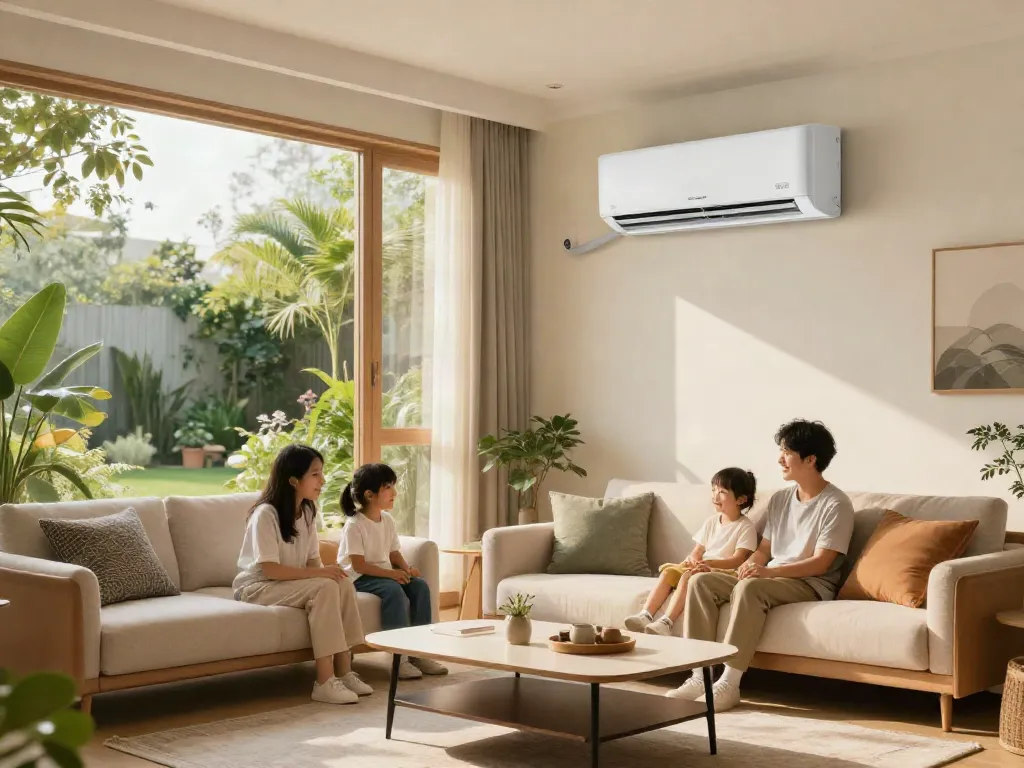
Understanding the 18000 BTU Mini Split Market
The HVAC industry has seen significant advancements in technology, leading to the rise of mini split systems, particularly the 18000 btu mini split. These systems are not just becoming a trend; they are transforming the way we think about heating and cooling our spaces. With a growing demand for energy-efficient solutions, understanding the ins and outs of these units is essential for both homeowners and professionals in the industry.
What is an 18000 BTU Mini Split?
An 18000 BTU mini split is a type of air conditioning and heating system that offers substantial power to cool or heat spaces effectively. The term "BTU" stands for British Thermal Unit, which is a measure of heat energy. Specifically, an 18000 BTU unit can adequately serve areas ranging from 800 to 1250 square feet, making it suitable for larger rooms such as living rooms, open family spaces, or even insulated garages. Unlike traditional HVAC systems, mini splits have both an indoor and an outdoor unit, allowing for flexible installation without the need for ductwork.
Key Benefits of Mini Split Systems
Mini split systems come with a plethora of advantages, making them an attractive choice for homeowners looking to upgrade their heating and cooling options.
- Energy Efficiency: Mini splits typically operate at higher energy efficiency ratings compared to conventional systems, leading to reduced energy bills.
- Flexible Installation Options: Without the need for ductwork, mini splits can be installed in various configurations, including wall-mounted, ceiling-mounted, or even on the floor.
- Zone Control: These systems allow you to create zones within your home, allowing different rooms to be set at different temperatures according to your preferences.
- Quiet Operation: Mini splits are known for their quiet operation, making them ideal for bedrooms or study areas.
Market Trends for 2026
The demand for mini split systems is expected to grow significantly in 2026, driven primarily by consumer preferences for energy-efficient solutions and the adoption of smart technologies. As more homeowners seek ways to reduce their carbon footprint, the popularity of mini splits will continue to rise. Moreover, advancements in technology, such as improved inverter systems and enhanced refrigerants, will further bolster the efficiency and effectiveness of these units.
Key Features to Consider When Buying
When considering an 18000 BTU mini split, various factors can influence your purchasing decision. Understanding these features can help you select the best unit for your needs.
Cooling and Heating Capacities
Understanding the cooling and heating capacities of a mini split is crucial. An 18000 BTU unit typically covers areas ranging from 800 to 1250 square feet, depending on the insulation and layout of the space. Additionally, many units have the capability to provide both cooling and heating, making them versatile for year-round use.
Energy Efficiency Ratings
Energy efficiency is a critical factor to consider when investing in a mini split. Look for units that have SEER (Seasonal Energy Efficiency Ratio) ratings of 15 or higher, as this indicates superior energy performance. A high SEER rating will not only minimize energy costs but also contribute positively to environmental sustainability.
Noise Levels and Operating Capacities
Noisy air conditioning systems can be disruptive, especially in bedrooms or quiet spaces. Many mini split systems operate at sound levels as low as 19 dB, making them one of the quieter options available. Always check the Noise Reduction Rating (NRR) of the unit before buying to ensure that it meets your comfort needs.
Installation Process and Considerations
Proper installation is key to ensuring that your mini split system operates efficiently and effectively. Here are some considerations to keep in mind.
How to Properly Install an 18000 BTU Mini Split
Installation of an 18000 BTU mini split typically involves positioning the indoor unit where it can effectively circulate air and placing the outdoor unit in a location that allows for optimal airflow. Additionally, it is crucial to run the refrigerant lines and wiring correctly for efficient performance. Following the manufacturer's installation guidelines ensures that the system runs smoothly from day one.
DIY vs. Professional Installation
While some homeowners may consider a DIY installation to save costs, hiring a professional is often recommended. Professionals have the experience and expertise to avoid common pitfalls that can lead to inefficiency or repairs down the line. Moreover, some manufacturers may void warranties if the unit is not installed by a certified technician.
Common Installation Mistakes to Avoid
Some common mistakes during installation include improper placement of the indoor unit, incorrect refrigerant line routing, and inadequate sealing of holes where the lines pass through walls. Ensuring these factors are correctly addressed during installation will prevent future operational issues and maximize the efficiency of your mini split system.
Cost Analysis: Investment vs. Savings
Understanding the financial implications of buying an 18000 BTU mini split is essential for budgeting an HVAC upgrade.
Initial Purchase and Installation Costs
The upfront costs for purchasing an 18000 BTU mini split can vary widely based on brand, features, and installation complexity. Typically, homeowners may expect to pay anywhere from $1,500 to $4,000 for both the unit and professional installation. It is essential to consider quotes from multiple contractors to ensure a fair price.
Long-Term Energy Savings
Many consumers find that the energy savings realized from a mini split can offset the initial investment over time. With energy-efficient models achieving SEER ratings of 20 or more, it's not uncommon for homeowners to see a reduction in their energy bills by 25% or more compared to traditional systems. This can lead to significant savings over the lifespan of the unit.
Comparing with Traditional HVAC Systems
In comparison to traditional HVAC systems, mini splits often prove to be more efficient. Traditional systems require ductwork for air distribution, which can lead to energy loss. A mini split, being ductless, mitigates these losses, resulting in better overall performance and lower energy costs.
Future Trends in Mini Split Technology
The mini split market is rapidly evolving, with new technologies continually emerging. Here are some key trends shaping the future of mini splits.
Innovations in Energy Efficiency
As energy efficiency standards become more stringent, manufacturers are pushing towards more innovative designs. Expect to see higher SEER ratings, improved inverter technology, and more eco-friendly refrigerants, all aimed at reducing energy consumption even further.
Smart Technology Integration
Smart home technology is becoming increasingly integrated into HVAC systems. Many new mini splits offer smartphone compatibility, allowing users to control temperature settings remotely and monitor energy usage. This level of control not only enhances comfort but also assists in managing energy consumption more effectively.
What to Expect in the Mini Split Market by 2026
By 2026, the mini split market is expected to continue its upward trajectory, with more emphasis on sustainability and smart features. As consumers become more eco-conscious, the demand for energy-efficient models will increase. Additionally, advancements in battery storage technology may lead to systems that can operate during power outages, providing even more reliability.
What is the average cost of an 18000 btu mini split?
The average cost of an 18000 BTU mini split, including installation, typically ranges from $2,500 to $3,500. However, prices can vary significantly based on brand and features.
How do 18000 btu mini splits compare to traditional AC units?
Compared to traditional AC units, 18000 BTU mini splits are generally more efficient, quieter, and provide greater flexibility in terms of installation and zoning.
What are the common issues with mini split systems?
Common issues include refrigerant leaks, improper drainage, and electrical concerns. Regular maintenance can help mitigate these problems.
How to maintain an 18000 btu mini split for longevity?
Regular maintenance, including cleaning the filters, checking the refrigerant levels, and scheduling annual professional inspections, can significantly extend the lifespan of your mini split system.
What size room does an 18000 btu mini split cool effectively?
An 18000 BTU mini split can effectively cool spaces of approximately 800 to 1250 square feet, making it suitable for larger areas.