
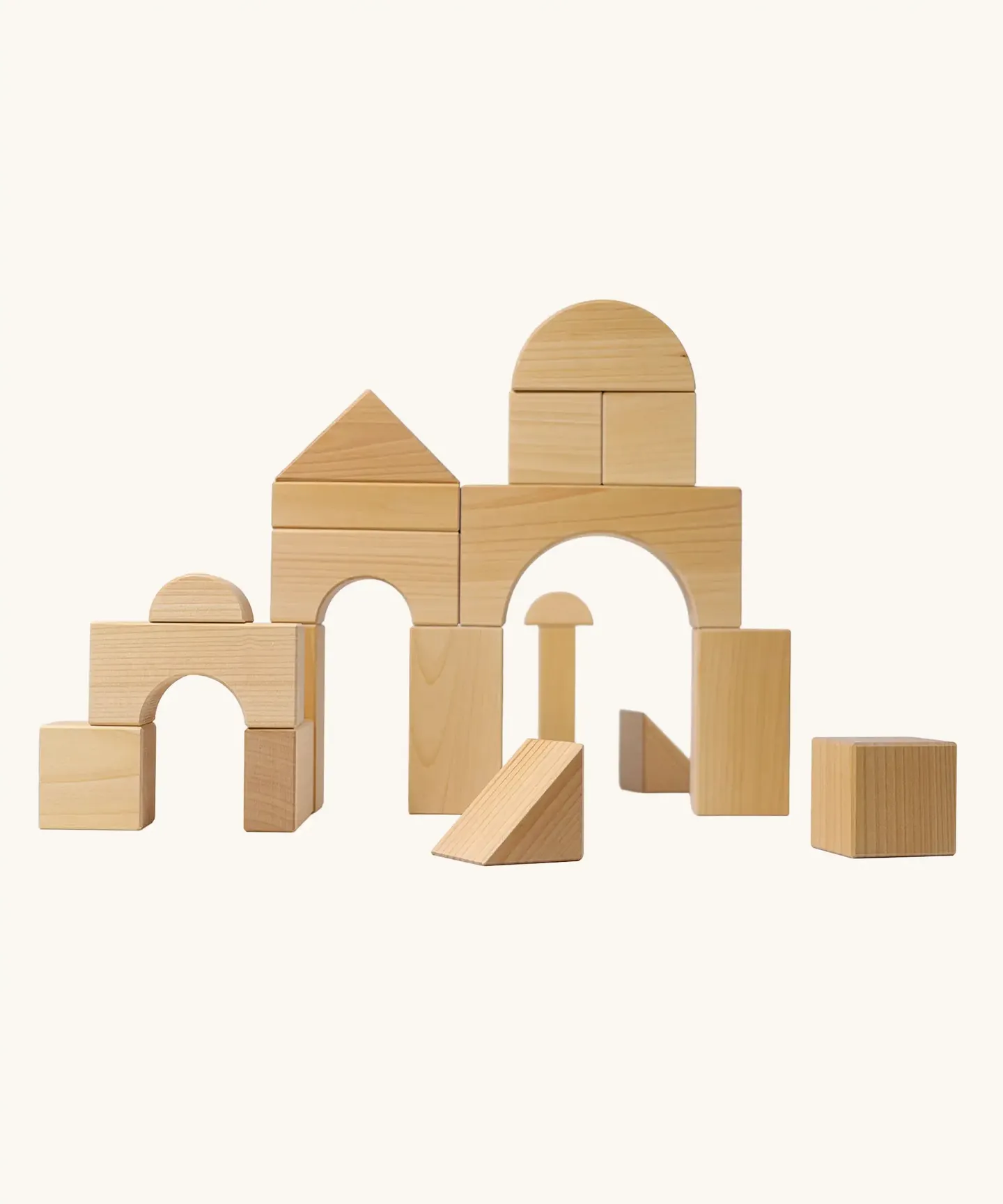
Giant Building Blocks can transform ordinary rooms into exciting spaces where children can build, imagine, move, and explore. Giant Building Blocks give children the freedom to create castles, forts, towers, bridges, houses, and pretend cities without requiring a permanent playroom. With Giant Building Blocks, a living room, classroom, bedroom, or activity area can become a flexible construction zone for creative indoor adventures. Giant Building Blocks are especially useful for families and educators who want to make better use of available space while encouraging active, hands-on play.
Why Turn a Room Into a Play Zone?
Children do not always need a dedicated playroom to enjoy meaningful activities. With thoughtful organization, an ordinary room can provide enough space for construction, imaginative play, reading, and creative exploration.
A flexible play zone gives children an area where they know they can experiment freely. When building materials are easy to access and safely stored, children can begin projects independently and return to them later.
Creating a Flexible Environment
A play zone does not need to remain the same throughout the day. A space can function as a construction area in the morning and become a reading or pretend-play zone later.
Large building toys make this flexibility possible because they can be rearranged according to the activity. Children can build a structure, play inside it, and then take it apart when they are ready for something new.
Making Better Use of Available Space
Homes and classrooms often have limited floor space. Instead of filling a room with many specialized toys, families can choose versatile construction materials that support different types of play.
Giant Building Blocks can serve multiple purposes, making them useful for environments where flexibility and efficient storage are important. For more information about large building blocks for kids, explore their features, benefits, age suitability, and role in encouraging imaginative and educational play.
Benefits of Giant Building Blocks in Play Zones
Turning a room into an active construction area can provide children with opportunities to develop physical, cognitive, social, and creative skills.
Encouraging Physical Activity
Indoor construction can involve much more movement than traditional tabletop activities. Children may carry blocks, walk around structures, reach for pieces, bend, stack, and rearrange their designs.
This makes building an active indoor experience. Children can remain physically engaged while working toward a creative goal.
Supporting Creativity
Open-ended construction allows children to determine what they want to create. There is no requirement to produce a particular design.
Giant Building Blocks can become almost anything a child imagines. A group of pieces could represent a castle one day and a space station the next.
Developing Problem-Solving Skills
Building structures involves constant decision-making. Children must determine where pieces should go and how to make their creations stable.
If a structure collapses, they can identify what went wrong and try a different arrangement. This teaches persistence and encourages children to view challenges as opportunities to learn.
Designing a Construction-Friendly Room
A successful play zone should be organized around safety, accessibility, and flexibility. The goal is to give children enough freedom to play while keeping the room manageable.
Choose a Clear Building Area
Select a section of the room with enough floor space for construction. Remove unnecessary obstacles and keep walkways clear.
A defined building area can help children understand where large structures can be created. It also makes cleanup easier because there is a designated place for construction materials.
Keep Building Materials Accessible
Children are more likely to use their construction toys when they can easily see and reach them. Open shelving, large baskets, or low storage units can make pieces accessible to age-appropriate users.
Giant Building Blocks can be arranged by size, shape, or color if the collection is large. Simple organization can also turn cleanup into part of the play routine.
Creative Room Transformation Ideas
Once a suitable area has been created, children can explore numerous themes and activities.
Create an Indoor Castle
A castle-building project can transform a room into an imaginative kingdom. Children can create walls, towers, gates, rooms, and other features.
Once the construction is complete, the room becomes a setting for storytelling. Children can invent characters, adventures, and challenges connected to their castle.
Build a Pretend City
Children can use construction pieces to create a miniature city across part of the room. Buildings can represent homes, shops, schools, hospitals, parks, and other community spaces.
Giant Building Blocks work well for this activity because multiple structures can be created from the same collection of pieces.
Design an Adventure Fort
A fort can provide a special area for reading, storytelling, role-play, or quiet imaginative activities. Children can build walls and entrances and then decorate the area with suitable blankets or pretend-play accessories.
Adults should ensure that structures remain stable and that children have safe access in and around the fort.
Giant Building Blocks for Group Activities
A room can become a collaborative construction zone when several children participate. Group projects can encourage communication and shared decision-making.
Working Toward a Shared Goal
Children can plan a large structure together. One child might work on the foundation while others build walls, towers, or decorative features.
This teaches children how individual contributions can become part of a larger project.
Encouraging Communication
Construction naturally creates opportunities for conversation. Children can explain their plans, ask for materials, make suggestions, and solve disagreements.
Giant Building Blocks can support these interactions because large projects often require several children to work in the same space.
Educational Play Zone Ideas
A construction room can also support learning. Parents and educators can introduce simple challenges involving mathematics, science, language, and creativity.
Counting and Sorting
Children can count how many pieces they use to build a structure. They can also sort pieces by shape, size, or color.
These simple activities reinforce early mathematical concepts through physical interaction.
Measurement and Comparison
Ask children to compare the heights of two structures or estimate how many blocks are needed to build a wall.
Giant Building Blocks make measurement concepts tangible because children can physically observe differences in size and structure.
Storytelling and Language
After completing a construction project, ask children to describe what they built. Encourage them to explain how the structure works or create a story involving it.
This can support vocabulary, communication, sequencing, and creative expression.
Keeping the Play Zone Organized
A room can quickly become cluttered when construction materials are spread across the floor. Establishing simple routines can help maintain an enjoyable environment.
Use Simple Storage Solutions
Large baskets and open shelves can make it easy to return blocks after play. Labeling containers with pictures or words can also help children understand where materials belong.
Rotate some construction pieces if storage space is limited. Keeping only part of the collection available at a time can make the room feel more manageable.
Create Cleanup Habits
Children can be encouraged to participate in cleanup after completing a project. Turning cleanup into a routine helps develop responsibility and keeps the play area ready for the next activity.
Safety Considerations
Safety is essential when transforming a room into a construction area. Select age-appropriate products and follow the manufacturer's recommendations.
Giant Building Blocks should be used in an area where children have enough room to move safely. Keep building projects away from stairs, fragile objects, sharp furniture, and other hazards.
Tall structures should be created in suitable areas and under appropriate supervision. Children should also understand that blocks are for building rather than throwing.
Inspect construction pieces regularly for cracks, sharp edges, damaged surfaces, or loose components. Remove damaged pieces from use.
Frequently Asked Questions
1. Can Giant Building Blocks turn a regular room into a play zone?
Yes. A clear floor area, accessible storage, and appropriate safety measures can turn many ordinary rooms into flexible construction and imaginative play spaces.
2. What rooms can be used for block play?
Living rooms, classrooms, playrooms, bedrooms, activity areas, and other suitable indoor spaces can work. The important factors are available floor space, safe movement, and appropriate supervision.
3. What can children build in an indoor play zone?
Children can create castles, forts, towers, houses, cities, bridges, animal habitats, space stations, and many other imaginative structures.
4. How can I keep a construction play area organized?
Use baskets, shelves, or storage containers and designate a specific building area. Encourage children to return pieces after play and consider rotating materials when storage space is limited.
5. Are Giant Building Blocks useful for educational activities?
Yes. Construction can support counting, sorting, measurement, spatial awareness, problem-solving, storytelling, creativity, and introductory STEM concepts.
Conclusion
Giant Building Blocks can turn an ordinary indoor room into a flexible play zone filled with creativity, movement, learning, and imaginative adventure. Children can build castles, forts, cities, towers, and countless other structures while developing problem-solving, motor coordination, communication, and spatial awareness. Giant Building Blocks also make it easier to change the purpose of a play area because the same pieces can support many different activities. With accessible storage, a clear building area, creative themes, and appropriate safety practices, families and educators can create an inviting environment without needing a dedicated playroom. Most importantly, Giant Building Blocks give children the freedom to transform the spaces around them into places where ideas can become real structures and everyday indoor play can become a memorable creative experience.