
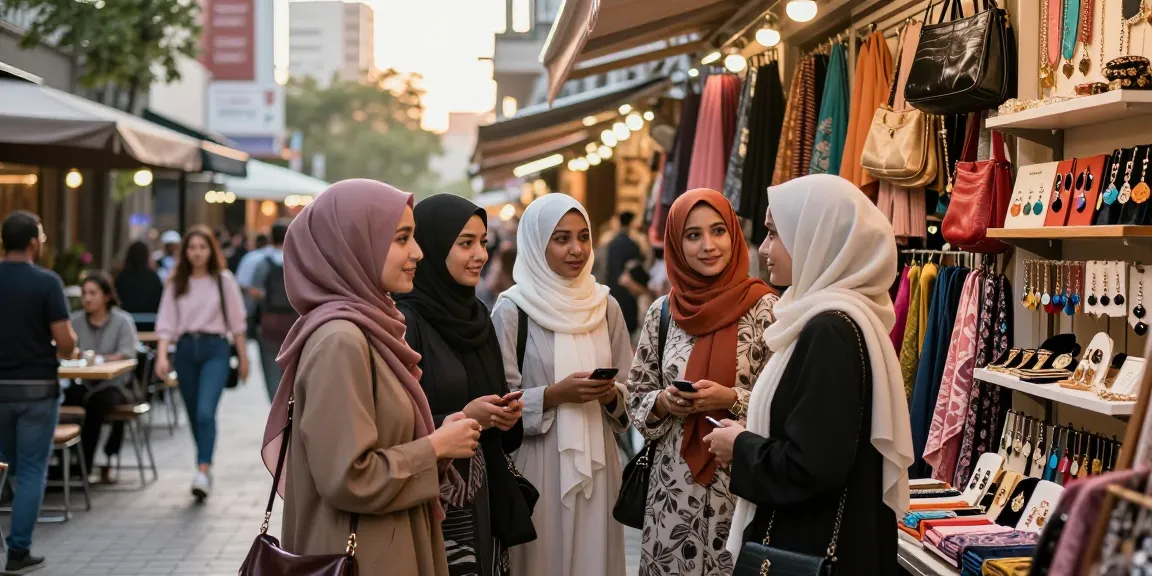
Understanding the Evolution of the Hijab Shop Experience
The hijab shop experience has transformed significantly over the years, reflecting the changing dynamics of cultural identity, fashion trends, and social values. In 2026, these shops not only serve as retail spaces but also as cultural hubs that cater to diverse customer bases. The rise of online shopping has allowed for a broader reach, enabling customers from varying backgrounds to access a wide array of options from the comfort of their homes. When exploring options, Hijab shop offers a comprehensive selection that meets the evolving needs of modern consumers.
The Cultural Significance of the Hijab
The hijab is much more than a fashion statement; it represents a deep cultural and religious significance for many women around the world. In Islamic tradition, wearing a hijab is seen as an act of modesty and devotion. However, as global perspectives change, interpretations of the hijab’s meaning can vary widely. In many communities, hijabs are not just a religious symbol but also a means of personal expression and identity, allowing women to assert their individuality while adhering to their beliefs. This cultural significance directly influences the marketing strategies of hijab shops, as they strive to resonate with consumers’ values.
How Fashion Trends Have Shaped Hijab Styles
Fashion trends have played a pivotal role in shaping hijab styles, leading to a diverse market that meets various aesthetic preferences. Designers have begun to embrace a fusion of traditional and contemporary styles, resulting in innovative designs that appeal to both younger audiences and those looking for classic options. The emergence of fashion influencers and social media has further propelled this evolution, with platforms like Instagram and TikTok showcasing various ways to style a hijab, inspiring countless trends. As a result, hijab shops must stay attuned to these trends to maintain relevance in an ever-evolving marketplace.
Key Challenges Faced by Modern Hijab Shops
Despite the growing demand for hijabs, modern hijab shops face several challenges. One significant obstacle is the stereotype surrounding hijabs and the women who wear them, which can lead to misconceptions that affect sales. Moreover, competition from both fast fashion brands and online retailers has intensified, necessitating that traditional hijab shops innovate their business models. Additionally, ensuring a diverse product range that appeals to various tastes while maintaining quality can pose logistical challenges for these shops.
Essential Elements of a Successful Hijab Shop
Designing an Inviting Store Layout
A well-designed store layout is crucial for creating an inviting atmosphere that encourages customers to browse and shop. When establishing a hijab shop, it’s essential to consider how products are displayed and how the flow of foot traffic is managed. Incorporating comfortable seating areas and warm lighting can enhance the shopping experience, making it more enjoyable for customers. Additionally, clear signage and categorization of products can help streamline the shopping process.
Curating a Diverse Range of Products
Diversity in product offerings is vital for attracting a wide customer base. Hijab shops should aim to curate a mix of styles, colors, fabrics, and price ranges to cater to different preferences and budgets. This includes offering seasonal collections, collaboration pieces with designers, and unique handmade items that stand out in the market. Furthermore, collaborating with local artisans can add authenticity to the collection, appealing to consumers who value ethical shopping.
Implementing Effective Customer Service Strategies
Excellent customer service is a cornerstone of any successful business, especially in retail. For hijab shops, training staff to understand cultural sensitivities and customer needs is crucial. Personalizing the shopping experience through attentive service can foster strong customer loyalty. Implementing feedback systems to gauge customer satisfaction and address concerns will also strengthen relationships between the shop and its clientele.
Marketing Strategies for Hijab Shops in 2026
Leveraging Social Media to Drive Sales
In today’s digital age, social media platforms are vital for driving sales and building brand awareness. Hijab shops should focus on creating engaging content that showcases their products and shares customer testimonials. Platforms like Instagram provide an excellent opportunity for visual storytelling, allowing shops to highlight new arrivals, styling tips, and customer experiences. Regularly using hashtags and engaging with followers can also enhance their visibility.
Utilizing Influencer Partnerships for Brand Growth
Partnering with influencers has become an effective marketing strategy for hijab shops. Influencers can introduce their followers to new products and provide authentic reviews, which can significantly influence purchasing decisions. Choosing influencers who align with the brand’s values and aesthetics is crucial for creating a genuine connection with potential customers. Collaborations can include product launches, styled photoshoots, and social media takeovers.
SEO Best Practices for Online Visibility
As online shopping becomes increasingly popular, optimizing a hijab shop’s website for search engines is essential for driving traffic. This includes implementing effective keyword strategies, such as using “hijab shop” and related terms throughout product descriptions and blog content. Creating valuable content that answers common customer questions or shares styling tips can also improve search rankings while establishing the shop as an authority in the hijab market.
Leveraging Technology in the Hijab Retail Sector
Innovative E-Commerce Solutions for Hijab Shops
As e-commerce continues to grow, hijab shops must implement innovative solutions to enhance the online shopping experience. Options such as virtual dressing rooms, user-friendly interfaces, and secure payment systems can significantly improve customer satisfaction. Offering detailed product descriptions, high-quality images, and customer reviews can also help shoppers make informed decisions, ultimately boosting conversion rates.
The Role of AR in Enhancing the Shopping Experience
Augmented Reality (AR) is revolutionizing the shopping experience by allowing customers to visualize products in a real-world context. For hijab shops, AR technology can enable customers to virtually try on different hijab styles and colors before making a purchase. This interactive experience can significantly reduce return rates while increasing customer confidence in their buying decisions.
Data Analytics for Improved Inventory Management
Data analytics plays a critical role in inventory management, allowing hijab shops to make informed decisions based on customer preferences and purchasing trends. By tracking sales data and customer behaviors, shops can anticipate demand, optimize stock levels, and minimize overstock situations. This not only enhances operational efficiency but also contributes to a more sustainable approach to retail.
Future Trends in the Hijab Fashion Industry
Sustainability and Ethical Fashion Choices
As consumers become more environmentally conscious, sustainability is emerging as a key trend in the fashion industry, including hijab fashion. Hijab shops can respond to this trend by offering products made from sustainable materials and adopting ethical production practices. Transparency in sourcing and manufacturing can help build trust and loyalty among customers who prioritize environmentally-friendly choices.
The Impact of Globalization on Hijab Fashion
Globalization has led to an increased exchange of cultural practices, greatly impacting hijab fashion. Today’s consumers have access to a wide variety of styles from different cultures, allowing them to mix and match influences in their own wardrobes. Hijab shops can embrace this trend by curating collections that celebrate cultural diversity while promoting inclusivity and understanding.
Predictions for Hijab Fashion Trends in 2026 and Beyond
Looking ahead to 2026, we can expect hijab fashion to continue to evolve, with a focus on personalization and individuality. Shoppers will increasingly seek out unique pieces that reflect their personal style while remaining true to their values. This trend will likely lead hijab shops to explore custom design options and introduce limited-edition collections that resonate with specific customer demographics.
What are the Best Hijab Styles for Different Occasions?
When selecting a hijab style, it’s essential to consider the occasion. For formal events, luxurious fabrics like silk or chiffon, along with elegant draping styles, are often favored. Casual outings may call for lighter materials and simpler wraps, while sporty activities can be complemented with breathable, functional styles. Offering a variety of options for different occasions will help customers make informed choices.
How to Choose the Right Hijab for Your Face Shape?
Choosing the right hijab can enhance facial features and complement one’s overall look. For instance, women with oval faces can typically wear most styles, while those with round faces may prefer wraps that add height, such as layered styles. Offering guided styling tips in-store or through online platforms can help customers find the perfect fit and style for their face shape.
What are Common Mistakes to Avoid When Wearing Hijabs?
While wearing hijabs can be a beautiful expression of personal and cultural identity, there are several common mistakes to be aware of. These include selecting styles that do not suit one’s face shape and failing to secure the hijab properly, which can lead to discomfort. Educating customers on best practices through workshops or informative content can enhance their wearing experience and confidence.
How Can Hijab Shops Foster Community Engagement?
Community engagement is vital for building a loyal customer base. Hijab shops can host events, workshops, and fashion shows tailored to their community’s interests. Collaborating with local influencers and businesses can also strengthen community ties and promote a sense of belonging among customers. Additionally, establishing loyalty programs can reward repeat customers and encourage further engagement.
What Technology Innovations are Reshaping the Hijab Retail Market?
Technology is vastly reshaping the hijab retail market, from e-commerce to customer experience enhancements. Innovations such as mobile apps for shopping convenience, loyalty rewards, and AR features are transforming how customers interact with hijab shops. Staying ahead of technological trends will be crucial for shops looking to remain competitive in this dynamic market.

